
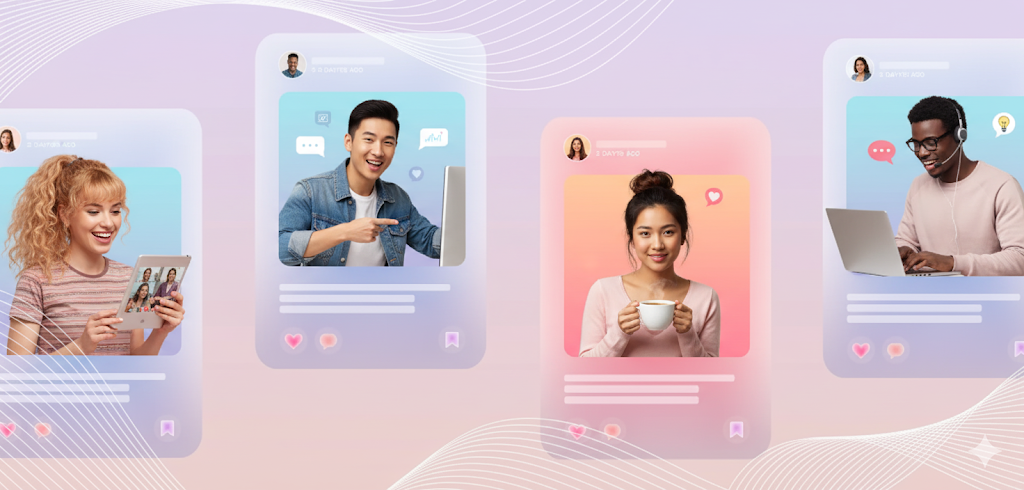
How Micro-Influencers are Changing Brand Promotions In the rapidly-changing nature of digital marketing, one trend has been emerging as star of the show—the use of micro-influencers. While using celebrities or large influencers to promote businesses was all the rage, brands are now seeing the opportunities that exist to partner with creators with a smaller but more engaged audience. Who are Micro-Influencers? Micro-influencers are creators with follower counts ranging from 5,000 to 100,000. Unlike mega-influencers, they are not going to have millions of followers, but what these influencers have going for them is their ability to connect authentically with their audience. Higher Engagement Rates Research suggests that micro-influencers have better engagement rates than a celebrity endorsement because the type of relationship they have with their followers is a more relatable and trustworthy one. Authenticity Over Glamour Micro-influencers don’t even put out just the glossy ad, but they put out real experiences, reviews, and genuine opinions since they are not beholden to a large company or product to get paid. Cost-Effective Campaigns A partnership with a celebrity can sink or inflate a brand’s budget, while micro-influencers offer great ROI for an affordable range of cost. Niche Relevancy Micro-influencer work within a niche community, which can help brands better reach their ideal target audience. Whether it be fitness, fashion, food, and video games, if your brand product/ business connects with that niche community micro-influencers give brands comfort that their brand is reaching the right engagement base. Real Impact on Brand Promotions Micro-influencer campaigns are changing how brands execute their promotions. Instead of relying solely on one large influencer to post a sponsored ad, companies now leverage many micro-influencers to create buzz within the community. Not only are they able to generate brand awareness, but they are also generating trust and credibility. For example, a skincare brand might send 50 micro-influencers a product. Each individual micro-influencer posts their own thoughts about the product, whether through a review, tutorial, or before-and-after pictures. The synergy of 50 micro-influencers actually looks and feels more compelling than one singular post from a celebrity or macro-influencer. The Future of Influencer Marketing The move towards micro-influencers illustrates a broader trend: consumers place value on authenticity over perfection. As an audience becomes smarter, they appreciate objective and unpolished products, experiences they can relate to, or a conversation that holds more meaning for them. Therefore, the future of brand promotion lies in the micro-influencer’s trust and credibility, having acted as legitimate advocates for brands.
From Clicks to Conversions: How Digital Marketing Shapes Success
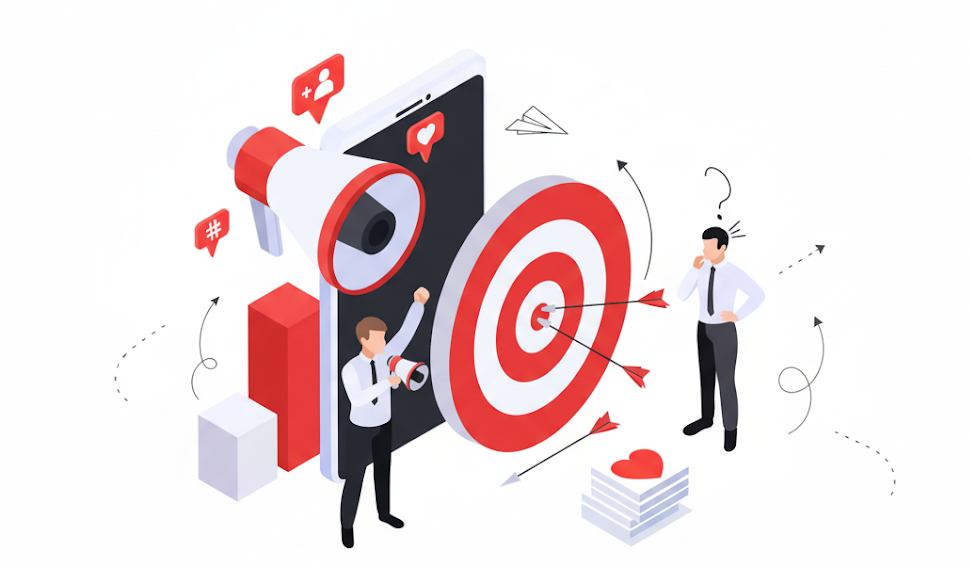
From Clicks to Conversions: How Digital Marketing Shapes Success In today’s hyper-connected world, businesses are vying for every last minute of online attention. Getting a click on an ad, website, or social post is a great start—but clicks will not lead to growth alone. The measure of success in a digital strategy comes down to conversions: turning those clicks into leads, sales, or lifetime customers. Digital marketing is that bridge between curiosity and commitment. Here are a few examples of the way digital strategy transforms business success, by taking an audience from apprehension to action. Why Clicks Don’t Matter Clicks represent an interest toward a post, ad, or piece of content, but that interest doesn’t equate to any value. Imagine thousands of people clicking every moment on your website without ever making a decision—no purchase, no sign-up, no engagement. Your clicks yield empty numbers without the relevance of a conversion. Digital marketing is designed to take the place of interest with a function and potential for success behind every click. The Conversion Journey: From Awareness to Action All customers go through a journey, before they make the decision to buy. Digital marketing utilizes strategies to guide them through the various stages: Awareness – people learned about your brand through SEO, social media campaigns and paid ads; Interest – blog posts, videos and engaging posts demonstrate curiosity and convey your authority; Consideration – to establish credibility, a case study and testimonials establish confidence , as well as product comparisons; Action – with everything well done, a clear call to action, landing page, or special offer motivated the customer to convert; This funnel based approach allows clicks to turn into real business outcomes, as all businesses want. Content: The Fuel for Conversions Great content is more than just information, it’s about developing trust – Blogs are educational; Videos and reels show your brand tone; Infographics communicate a complex idea simple; Emails nurture relationships by offering personalized to your target audience; Great content provides constant value to your customers and helps to build confidence to take the next step. Personalization and Data-Driven Marketing One of the great things about digital marketing is being able to personalize the experience. Rather than sending the same generic message to every individual, businesses can provide value based on: Email campaign personalized product recommendations; Remarketing ads targeting an individuals previous visit; Analytics and measurement is a key component to website user experience and optimization campaigns along with ROI; When your audience sees you personalized their experience, they feel valued and that value results in conversions. Conversions: The Definitive Measure of Success Conversions are not limited to sales. They can also include: Registering for a newsletter. Downloading an eBook. Booking a free consultation. Sharing your content. Every conversion, big or small, is a contribution to customer development, a step towards future relationship building and growth. Clicks may provide some initial entry, but conversions build your future. With the right amount of SEO, social media, content, and analytics, digital marketing defines how businesses build themselves within an online space. It turns curiosity into actions, turns traffic into revenue, and turns lurkers into loyal advocates of a brand.
Social Media Marketing: The Voice of Your Business in the Online World
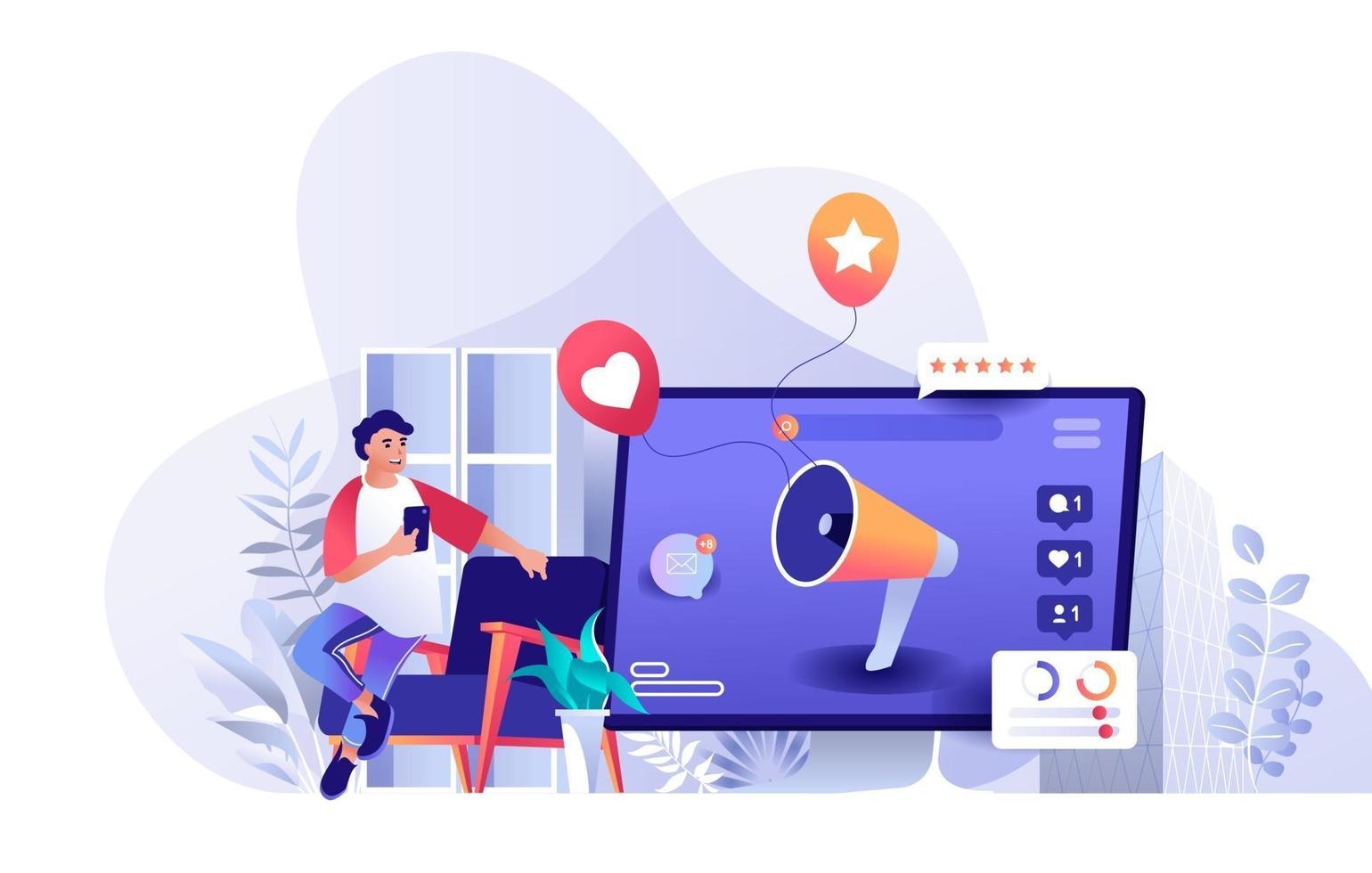
Social Media Marketing: The Voice of Your Business in the Online World In the current digital marketplace, consumers are used to brands having a strong online presence; it is not enough to merely exist; it is of the utmost importance to engage with the audience and build meaningful connections. This is made possible through Social Media Marketing (SMM). This becomes the voice of your business in the digital marketplace providing your brand with a personality, authenticity, and visibility. Why Social Media is Important for Businesses The majority of your audience is spending their time on social media. While using platforms like Instagram and Facebook or LinkedIn and TikTok people are engaging with the content they consume and contributing to that content. Businesses are able to: Reach more audience Build relationships Display expertise and authority Create leads and drive conversions Advantages of Social Media Marketing Develop a Strong Brand Identity Consistent visuals, tone, and storytelling have a way of giving your brand a voice that is recognizable and trusted by your customers. Expand Reach and Awareness Using hashtags, trends, and original viral content can accelerate your visibility. With the right strategy, even small businesses can reach a worldwide audience. Build Trust and Loyalty Freely share relevant content, have conversations about feedback, and be transparent to create a trusted voice in the digital environment. Connect and Engage with Customers Social media differs from traditional marketing in allowing direct conversations in real time. And when you comment back, share polls, or go live, it gives your business a human touch. Drive Sales and Conversions Tools from Instagram Shops, Facebook Ads and targeted campaigns can help directly impact sales, so you’ll definitely see ROI from each post or ad.
How digital marketing helps to advance your business?
How digital marketing helps to advance your business? In a world that has shifted online, there is no way businesses can only rely on traditional marketing alone. Digital marketing has taken over as the underpinning of our business success and growth before every start-up, small business, and established business. Digital marketing helps reach wider audiences, build customer relationships, and gives measurable results. Digital marketing can help you grow your business from a small start-up or established business. There are infinite possibilities! Wider reach and visibility Marketing digitally allows your business to go beyond geographic boundaries. You can reach customers around the world through social media platforms, websites, search engines, and email campaigns. Digital marketing are so much more than traditional methods, as you can make yourself visible to anybody, anywhere, and not limited to a radius. Brand Awareness, Credibility, and Trust Being visible throughout the online atmosphere supports your level of reputation in front of your customer. Regularly updating your content through blogs, videos, and SEO tactics help your brand get recognized, whilst also establishing credibility in the market space. For people to trust a brand, it is best to appear as professional, organized, and active in the context the audience is aware of. Creates Stronger Relationships with Customers With platforms such as social media engagement, email newsletters, and chat support, companies can engage with customers in “real-time”. This form of interaction builds trust, generates satisfaction, and builds loyalty among customers. Happy customers tend to return and refer your company for others. Cost-effective We all know that traditional advertising like television, radio, and magazines can be quite expensive. Digital marketing can be very affordable and have better ROI (Return on Investment) than traditional advertising. Small businesses with limited budgets can still target audiences by running ads, social media, and website optimization to attract the right customers. Data-Driven Decisions Perhaps the biggest benefit of digital marketing is the analytics aspect. From tracking how many visitors come to a website to confirming if the campaign is successful, digital marketing gives businesses access to plethora of valuable insights into what is competent and what is not competent within the campaign. This data-driven approach enables companies to reasses or refine their option strategies, as well as supporting informed decision-making for future growth. Improved Conversion Rates Digital marketing focuses on targeting the right people at the right time. You want to have the ability to reach people already in the market for your products or services using digital strategies can encompass; SEO, pay-per-click (PPC), or social ads—all increasing the likelihood of converting visitors into buyers. Digital marketing has quickly become a requirement rather than a choice if you want to grow your business. You can grow, build, and compete using the right online tools and digital marketing strategies. You will be opening the door to many opportunities and long-term success, regardless of your size as an organization. Whether you are a small business or a large organization, digital marketing creates a bridge to many opportunities.